The Situated Image

Every image is situated.

Seen from some specific angle, through a set of specific eyes and with specific situated knowledge. This work makes that truth literal. Optically tuned to resolve only through a single uncorrected eye at a precise distance, the work upends our assumptions about clarity: the viewer with perfect vision who sees a crisp, stable image is, in fact, missing the whole thing.

Toggle between near and far focus.

I needed glasses since I was a kid. Without my glasses, clothes draped on a chair became a scary witch; an alphabet poster above my brother's bed became a protective cowboy. This experience inspired the art, in addition to my professional work developing lens-free eye exams.

Selected Works

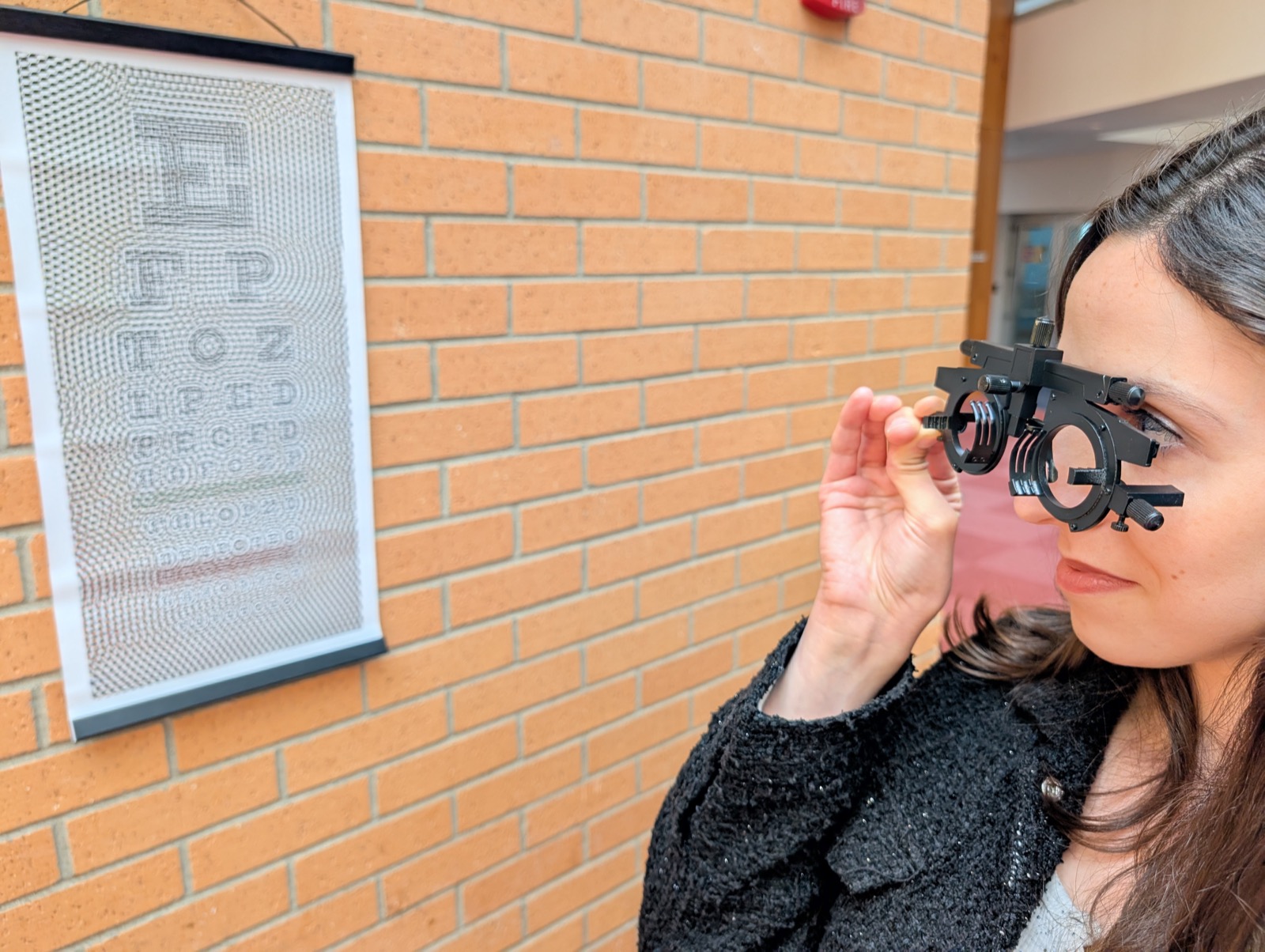
A person wearing a trial lens frame, pulling focus on a Snellen-style eye chart hung on a brick wall.

Chart for the Uncorrected Eye

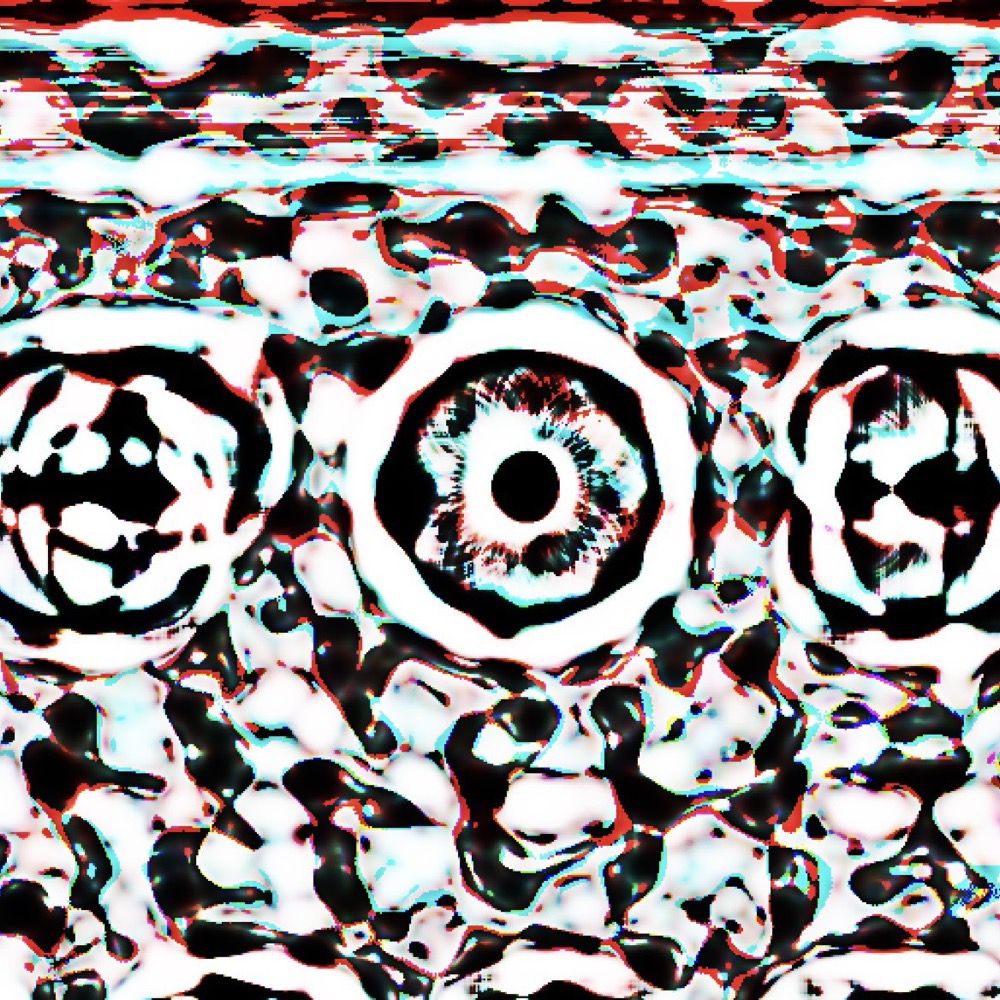
Printed at the standard size of a Snellen eye chart, this work reverses the usual logic of vision testing: the smallest letters become legible only through natural uncorrected near- or far-sightedness — or, for folks with 20/20 vision, through the glasses included with the work. From a distance it appears black and white; taking a closer look opens up fields of color and eye-like forms.

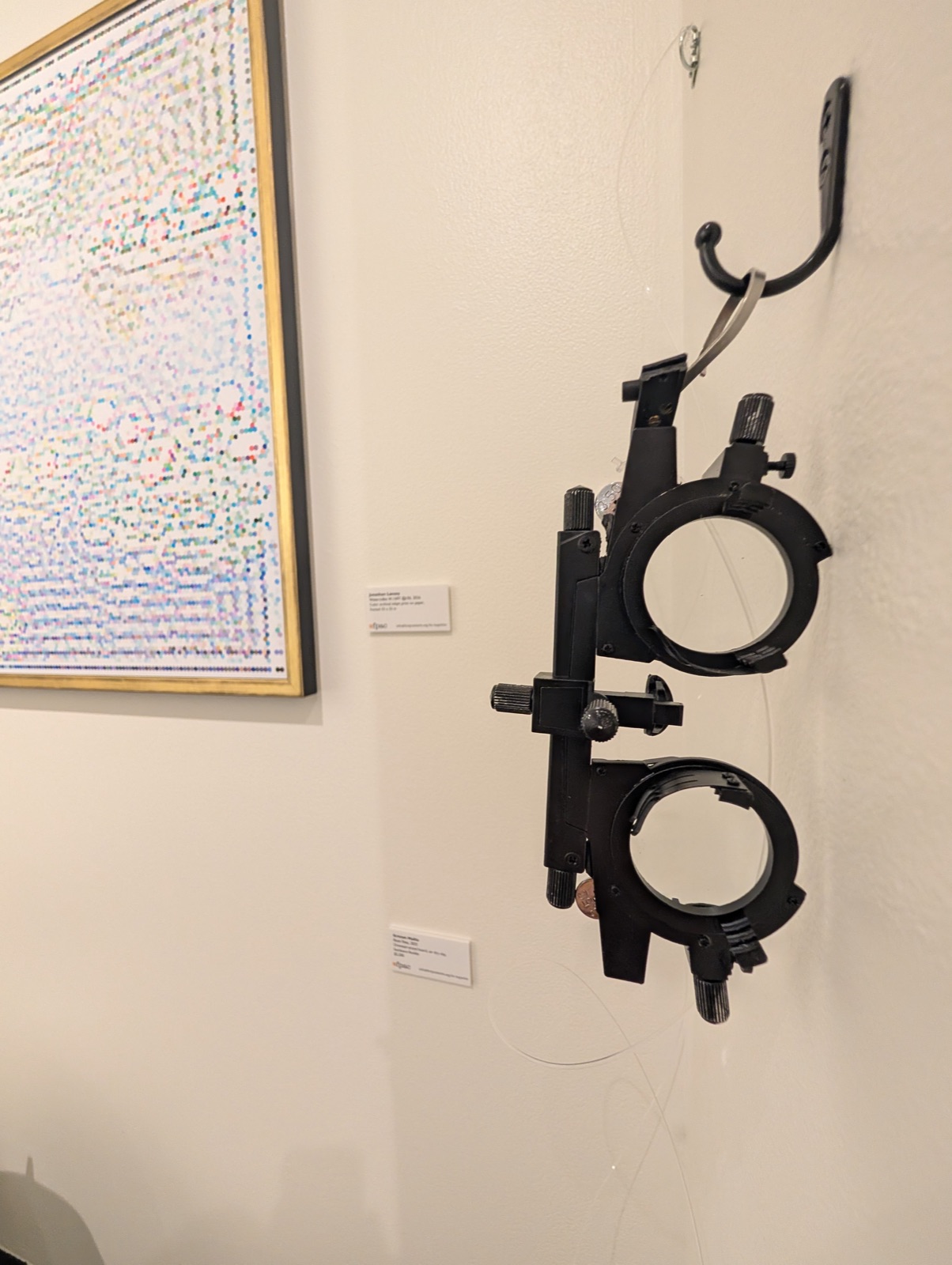
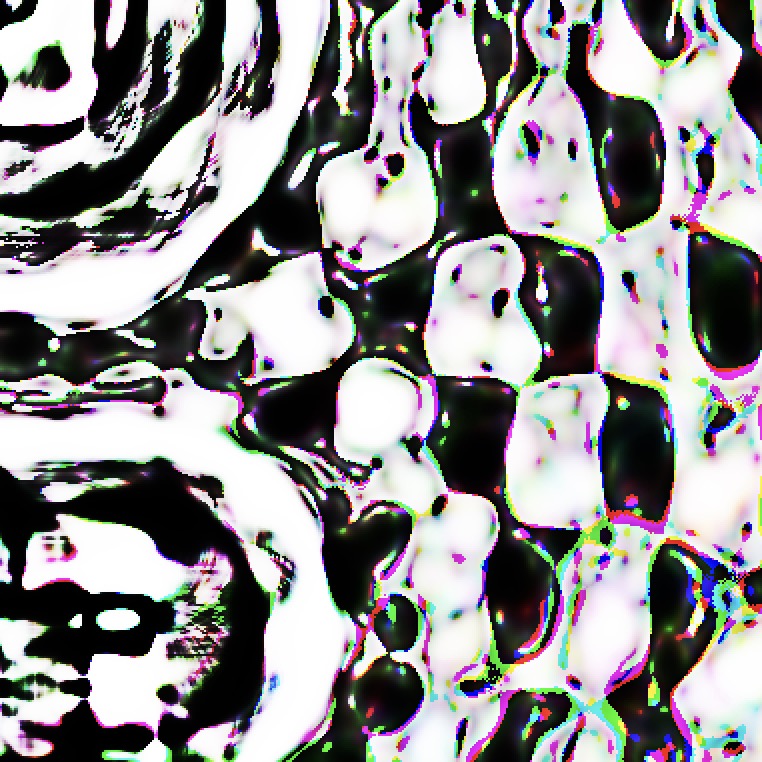
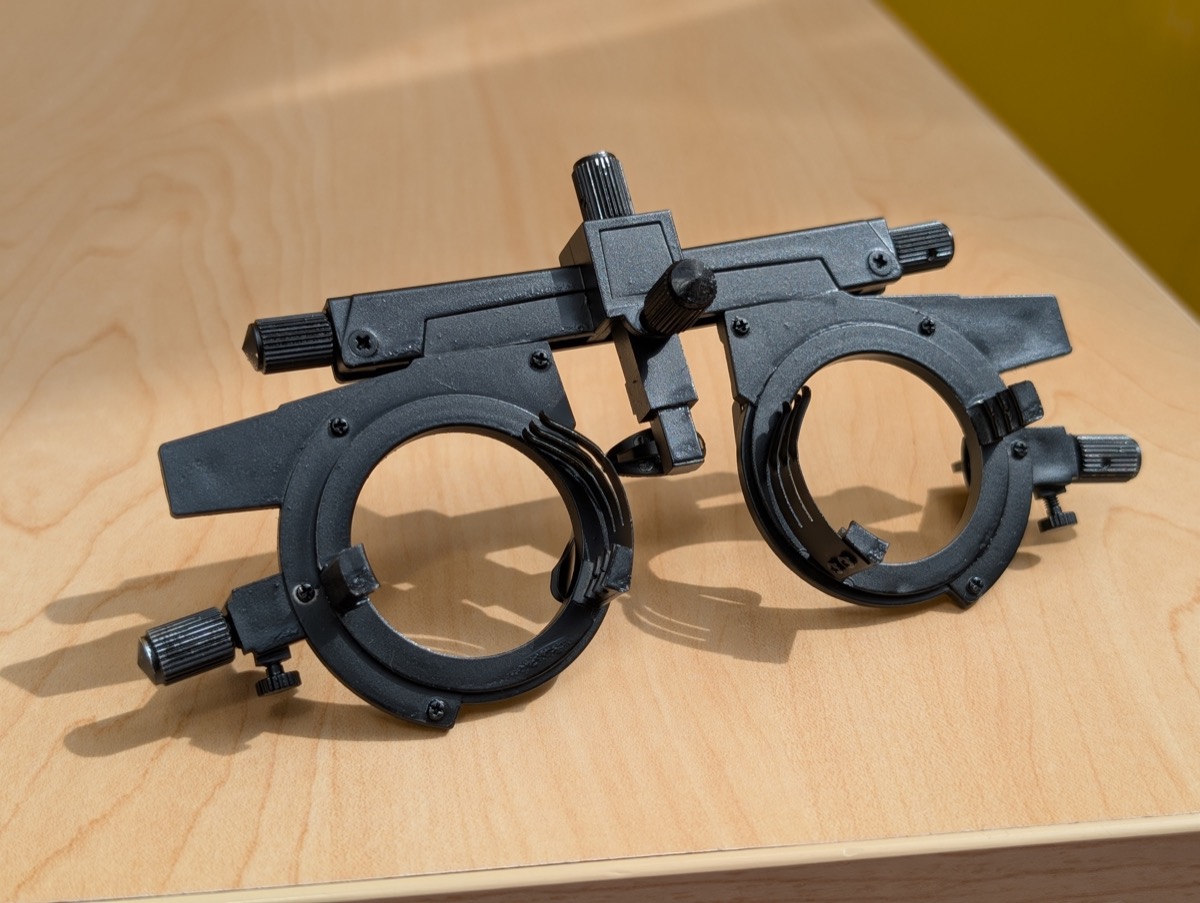
Detail: scattered color and letterforms surfacing in the chart. Detail: an eye-like form resolving within the chart. The trial lens frame included with the work, shown empty — the lenses themselves are customized to the viewer's distance.
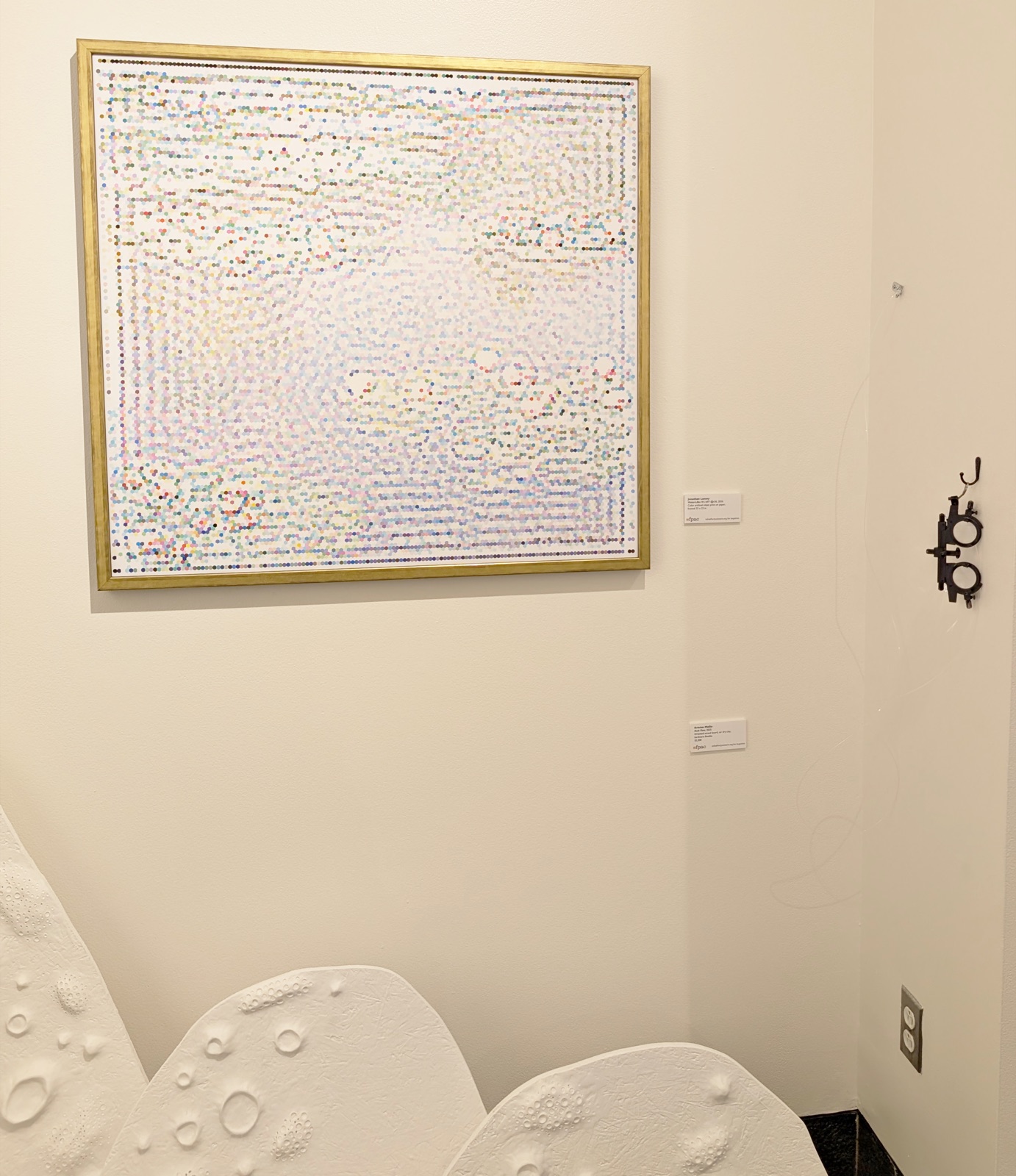
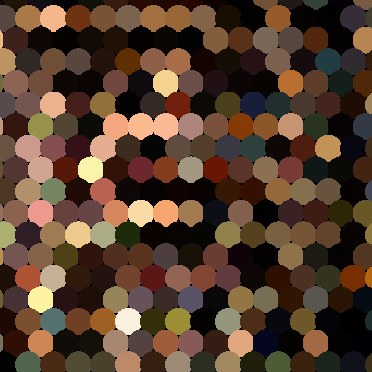
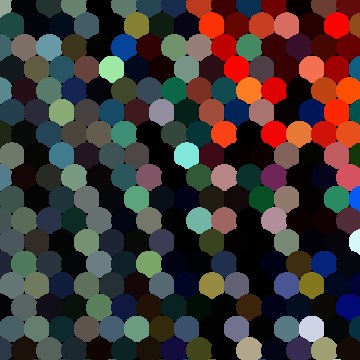
A self-portrait that resolves out of a hex mosaic as the eye defocuses.
20/20 needs glasses slide to defocus — under the eye’s own optical blur, the cowboy resolves

Ode to an Imaginary Cowboy

This self-portrait refers to a childhood image that appeared only through blur: an alphabet poster that transformed into a protective cowboy after I took off my glasses at night. Like that memory, the cowboy emerges through uncorrected vision — or through the glasses provided for viewers with 20/20 vision.